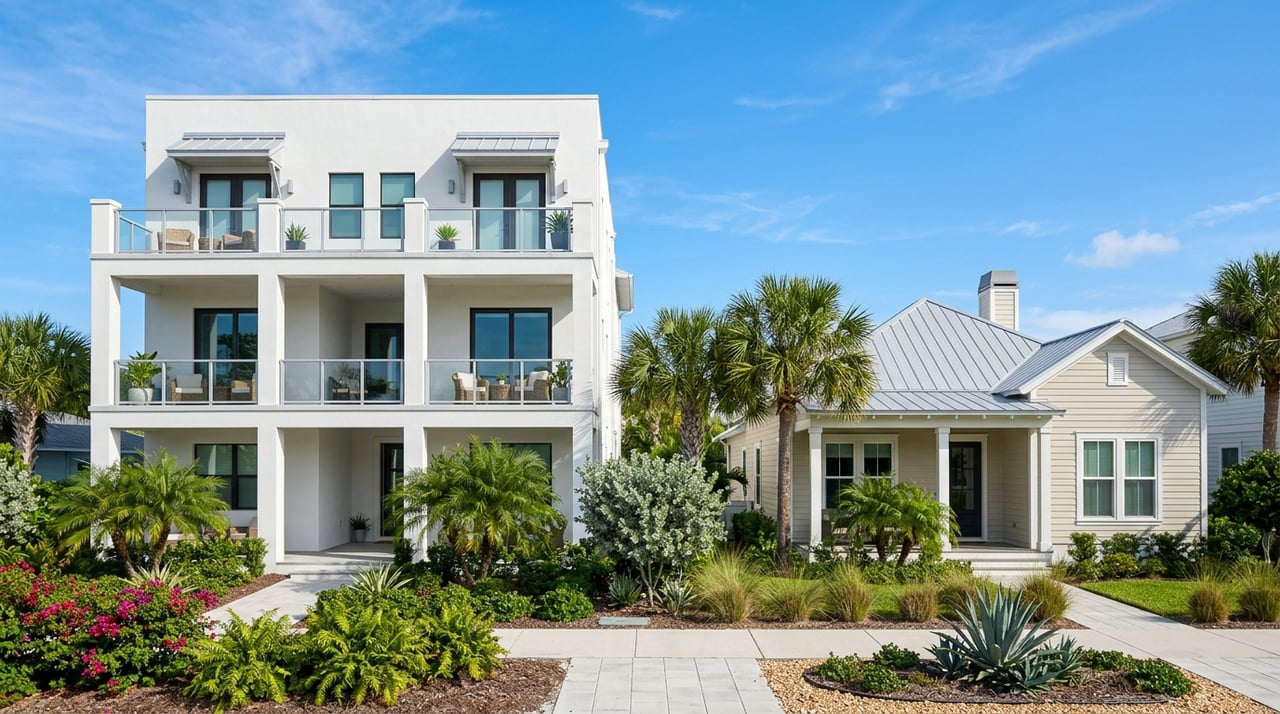
Trying to choose between a condo and a single-family home in Bonita Springs? You are not alone. Many buyers love the area’s beaches, parks, golf, and coastal lifestyle, but feel stuck when it comes to picking the property type that fits how they actually want to live. This guide will help you compare cost, maintenance, privacy, insurance, and everyday lifestyle so you can make a confident decision. Let’s dive in.
Bonita Springs Market Snapshot
Bonita Springs offers a wide mix of condos and single-family homes, which gives you options but can also make the choice feel less clear. Local market data shows that condos and houses often sit in different price ranges and appeal to different buyer goals.
As of April 2026, Redfin reported a broader Bonita Springs median sale price of $584,698, with homes averaging 71 days on market. Realtor.com showed a median listing price of $635,000 and 84 days on market. Redfin also showed 484 condos for sale at a median listing price of $440,000 and 124 days on market.
In Q1 2026, PropertyShark reported a median sale price of $425,000 for condos compared with $655,000 for houses. At the same time, condo price per square foot came in higher at $296 versus $197 for houses. That difference suggests condos often command value based on location, amenities, and convenience rather than just interior size.
Condo Vs House Price Differences
If your starting point is budget, condos often look more approachable in Bonita Springs. The local data points to lower median prices for condos than for detached homes, which can open the door to coastal living at a lower purchase price.
That said, purchase price is only one part of the equation. A condo may cost less upfront, but monthly association fees can change the overall carrying cost. A single-family home may cost more to buy, but you may have more control over how and when money is spent on upkeep.
Why Price Per Square Foot Matters
A lower total price does not always mean a better value for your needs. In Bonita Springs, condos have recently shown a higher price per square foot than houses, which can reflect bundled amenities, desirable locations, and lower land share.
If you want the most interior space and more separation from neighbors, a single-family home may stretch your dollar differently. If you care more about access, simplicity, and community amenities, a condo may still offer strong value even at a higher price per square foot.
Maintenance Responsibilities Compared
One of the biggest differences between condos and single-family homes is who handles maintenance. This matters a lot in a coastal Florida market, where exterior upkeep, roof work, and weather-related planning can affect both cost and peace of mind.
For condos, Florida law generally makes the association responsible for maintaining common elements. You have exclusive possession of your unit, but the association usually manages shared portions of the property and certain exterior components.
With a single-family home, more of the property upkeep typically falls on you as the owner. Standard homeowners insurance in Florida reflects this structure, with dwelling coverage and other-structure coverage designed around the fact that detached-home owners usually carry a greater share of exterior responsibility.
What Condo Fees May Cover
Condo fees can vary from one community to another, so it is important to ask what is actually included. Depending on the property, fees may help cover:
- Common-area maintenance
- Landscaping
- Exterior building maintenance
- Roof-related expenses
- Pool or recreation area costs
- Master insurance coverage
- Reserve funding for future repairs
The key is not to assume. Two condos with similar list prices can feel very different once you compare monthly fees and what those fees pay for.
Insurance Differences In Florida
Insurance is another area where condos and houses work differently. In a condo, Florida insurance guidance describes HO-6 coverage as walls-in protection, while the association’s master policy typically covers the exterior structure and common areas. Flood insurance is often separate.
For a single-family home, homeowners insurance is built around coverage for the dwelling itself and other structures on the property. In simple terms, detached-home owners usually insure more of the structure directly, which can mean a different insurance setup and a different budgeting process.
Because Bonita Springs is a coastal market, you should also ask early about flood coverage for either property type. The exact coverage needs can vary by location and property features, so this is a smart item to review before you get too far into a purchase.
Reserve Studies And Special Assessments
If you are considering a condo in Bonita Springs, reserve planning deserves close attention. Florida now requires a structural integrity reserve study every 10 years for residential condo buildings that are three habitable stories or higher.
That study must review major building components such as the roof, structure, fire protection systems, plumbing, electrical systems, waterproofing and exterior painting, windows and exterior doors, and other high-cost deferred maintenance items. The law also warns that waiving reserves can expose owners to unexpected special assessments.
This does not mean every condo is risky. It means you should review the association’s financial picture, reserve funding, and any current or likely assessments before making a decision.
Privacy And Lifestyle Differences
Beyond cost, your day-to-day lifestyle may be the biggest factor in the condo versus house decision. A condo usually means shared walls or shared common areas, which often brings more shared traffic and less privacy than a detached home.
The tradeoff is convenience. Many buyers like condos because they offer easier lock-and-leave living and less day-to-day upkeep, which can be especially appealing for second-home owners or seasonal residents.
A single-family home usually gives you more separation, more private outdoor space, and more freedom in how you use the property. If privacy and control rank high on your list, a house may feel like the better long-term fit.
Bonita Springs Lifestyle Considerations
Bonita Springs offers plenty to enjoy no matter which property type you choose. The area includes Bonita Beach Park, Barefoot Beach Preserve, Lovers Key State Park, a city recreation center with a community pool, and a strong golf presence.
Because the area already offers so many lifestyle amenities, your decision often comes down to how you want to access them. Some buyers prefer a condo community where amenities are bundled into the association. Others would rather own a house and manage their lifestyle more independently.
Seasonal Or Full-Time Living
Bonita Springs has a strong seasonal pattern, with November through April often considered the best time to visit. That seasonal rhythm can shape what kind of property makes the most sense for you.
If you plan to live here part time, a condo may be attractive because of the lower day-to-day maintenance and easier lock-and-leave setup. If you plan to live here full time, a single-family home may be worth a closer look if you want more space, privacy, and control over your property.
Taxes And Full-Time Residency
If you plan to make Bonita Springs your primary home, ask about homestead exemption early in the process. Lee County states that homestead exemption is available when the property is your permanent residence and you apply by March 1.
This matters because your true monthly cost is about more than the purchase price. Whether you are comparing a condo or a house, full-time buyers should look at taxes, insurance, maintenance, and fees together.
Seasonal owners should not assume the same tax treatment applies. If the home will not be your permanent residence, that can change how you evaluate the total cost of ownership.
How To Choose The Right Fit
The best choice usually comes down to your priorities, not a universal rule. A condo often makes sense if you want lower-maintenance ownership, bundled amenities, and a property that feels easier to leave for part of the year.
A single-family home may be the better choice if you want more privacy, more outdoor space, and greater control over maintenance and property decisions. Neither option is automatically better. The right one is the one that fits your lifestyle, budget, and long-term plans.
Questions To Ask Before You Buy
Before you move forward with either option, ask clear questions about ongoing costs and responsibilities. A few important ones include:
- What does the monthly condo fee cover?
- Is there a current structural integrity reserve study?
- Are any special assessments or reserve increases likely?
- Who is responsible for windows, doors, shutters, and exterior protection?
- What insurance policies are required or recommended for this property type?
- If you will live there full time, do you qualify for homestead exemption?
- Are there any rental, pet, parking, or renovation rules in the governing documents?
Buying in Bonita Springs is about more than choosing a property type on paper. It is about finding the right match for the way you want to live, whether that means a low-maintenance seasonal condo or a detached home with more room and flexibility. If you want local guidance as you compare communities, costs, and lifestyle tradeoffs, Nicole Costa is here to help you navigate the Bonita Springs market with confidence.
FAQs
What is the main difference between condos and single-family homes in Bonita Springs?
- The biggest difference is usually who handles maintenance, how much privacy you have, and how your ongoing costs are structured.
Are Bonita Springs condos usually less expensive than houses?
- Recent local market data shows condos generally have lower median prices than houses, though monthly association fees can affect total ownership cost.
Do Bonita Springs condos have different insurance needs than houses?
- Yes. Condo owners typically carry walls-in HO-6 coverage, while the association master policy often covers the exterior and common areas. Single-family homes usually require broader homeowners coverage for the dwelling and other structures.
What should condo buyers in Bonita Springs ask about reserve studies?
- You should ask whether the building has a current structural integrity reserve study, what it found, and whether any special assessments or reserve increases may be coming.
Is a condo or house better for seasonal living in Bonita Springs?
- Many seasonal buyers prefer condos because they often offer easier lock-and-leave ownership, while houses may appeal more if you want extra space and more control.
Can full-time Bonita Springs homeowners qualify for homestead exemption?
- Lee County states that homestead exemption may be available if the property is your permanent residence and you apply by March 1.